Stepping onto the property ladder or searching for your next forever home in the United Kingdom presents buyers with a multitude of choices, but perhaps none is as fundamental as the age-old debate: should you buy a sparkling new build or a character-filled period property? The UK boasts a rich architectural heritage, offering everything from quaint Tudor cottages and grand Victorian terraces to cutting-edge, eco-friendly modern developments. This diversity ensures that there is a home for every taste, but it also makes the decision-making process incredibly complex.
Choosing between a new build and an older, existing property is not merely a matter of aesthetic preference. It fundamentally impacts your day-to-day life, your finances, your environmental footprint, and your long-term investment strategy. Both property types come with a distinct set of advantages and disadvantages. Understanding these nuances is crucial for making an informed decision that aligns with your lifestyle, budget, and future aspirations. In this comprehensive guide, we will dissect the pros and cons of both new builds and old builds in the UK market, and help you determine which type of property is the perfect match for you.
A 'new build' typically refers to a property that has been recently constructed and has never been lived in before. These are often part of larger developments built by national housebuilders or smaller, bespoke local developers. Over the past decade, the UK government has heavily pushed for the construction of new homes to alleviate the chronic housing shortage, making new builds a highly visible and accessible option for many buyers.
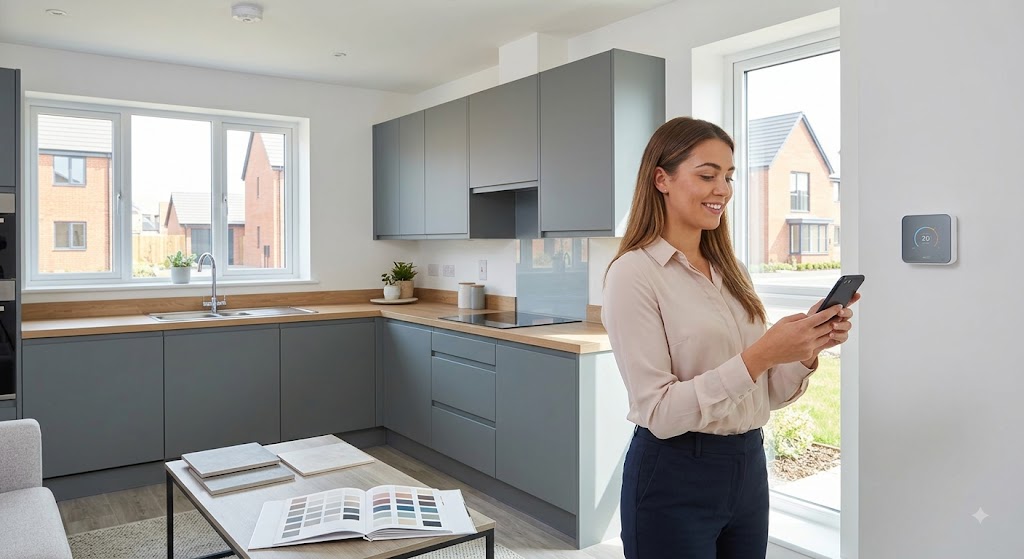
1. Energy Efficiency and Lower Bills
One of the most significant advantages of a modern new build is its energy efficiency. UK building regulations have become increasingly stringent regarding insulation, heating systems, and carbon emissions. Consequently, the vast majority of new builds achieve an Energy Performance Certificate (EPC) rating of A or B. They come equipped with modern double (or triple) glazing, high-spec loft and wall insulation, and highly efficient boilers or even renewable energy sources like air source heat pumps. In an era of volatile energy prices, this translates to significantly lower monthly utility bills and a smaller carbon footprint compared to older homes.
2. Chain-Free Buying
Property chains are the bane of the UK housing market, often causing delays, stress, and collapsed sales. When you buy a new build directly from the developer, you are at the end of the chain. Because there is no onward purchase dependent on your transaction, the buying process is typically smoother, faster, and much less stressful. You are given a projected completion date, and once the house is built, you can move straight in.
3. Blank Canvas and Customization
Moving into a new build means you are the first person to live there. Everything is brand new, clean, and untouched. It offers a literal blank canvas, free from the questionable DIY choices or dated decor of previous owners. Furthermore, if you reserve the property early enough in the construction phase (buying 'off-plan'), developers often allow you to customize fixtures and fittings. You might be able to choose your preferred kitchen cabinets, worktops, bathroom tiles, and flooring, ensuring the home suits your taste from day one.
4. Warranties and Peace of Mind
Almost all new build homes in the UK come with a 10-year warranty, most commonly provided by the National House Building Council (NHBC). The first two years generally cover all defects and issues (the builder's warranty), while the remaining eight years cover major structural issues. This provides significant peace of mind and financial protection that you simply do not get when buying a 100-year-old house.
5. Buying Schemes and Incentives
To help buyers—particularly first-time buyers—get onto the property ladder, new builds are often eligible for specific government or developer-led schemes. While the original Help to Buy equity loan scheme has ended, initiatives like Deposit Unlock (allowing a 5% deposit on new builds) or Shared Ownership are frequently available on new developments. Developers may also offer incentives like paying your Stamp Duty, contributing to your legal fees, or providing free upgrades.
1. The 'New Build Premium' and Depreciation
Just like driving a brand new car off the forecourt, new build properties carry a premium. You are paying for the privilege of being the first owner. This means that, in the short term, a new build may depreciate in value the moment you turn the key in the lock. If you need to sell the property within the first few years, you might struggle to recoup your initial investment, especially if the developer is still selling identical brand-new properties on the same estate.
2. Snagging Issues
While they are brand new, new builds are rarely perfect upon completion. 'Snagging' refers to the minor defects or unfinished pieces of work left after construction. This can range from poorly applied sealant and sticking doors to scratched windows and uneven plaster. While the developer is obliged to fix these under the two-year warranty, getting them to do so in a timely manner can sometimes be an exhausting and frustrating process for the homeowner.
3. Space Constraints and Plot Sizes
To maximize profits, developers often build at high densities. As a result, modern new builds typically offer less square footage and smaller rooms than older properties of a similar price point. Storage space is notoriously lacking in many new designs, and gardens tend to be much smaller and more overlooked than those of period homes.
4. Construction Delays
Buying off-plan carries the risk of delays. Bad weather, supply chain issues (such as shortages of bricks or timber), and labor shortages can push back the completion date by months. This can cause severe logistical headaches if you are renting or have already sold your previous home.
5. Estate Management Fees
Many modern developments include shared spaces, such as private roads, playgrounds, and landscaped areas, which the local council refuses to adopt. Consequently, the developer hands the maintenance over to a private management company, leaving freehold homeowners liable for annual estate management fees. These fees are uncapped and can rise significantly over time.
An 'old build' or 'existing property' encompasses everything from Georgian townhouses and Victorian terraces to 1930s semi-detached homes and mid-century housing estates. The UK’s housing stock is incredibly old by global standards, meaning there is an abundance of period properties steeped in history and character.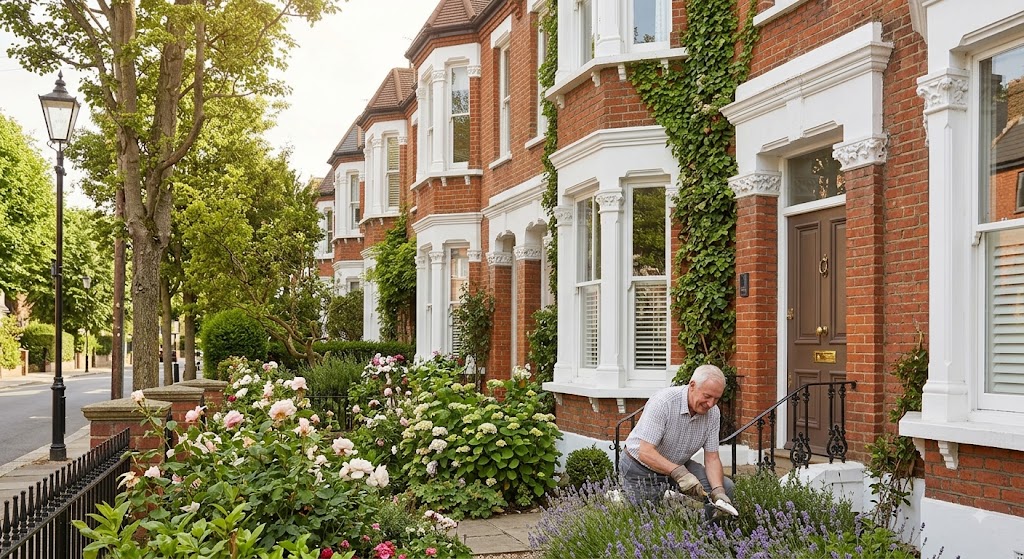
1. Character and Architectural Charm
For many buyers, the primary draw of an older home is its character. Period properties often boast unique architectural features that are impossible or prohibitively expensive to replicate today. High ceilings, intricate cornicing, ceiling roses, original hardwood floorboards, bay windows, and grand fireplaces give these homes a distinct personality and warmth that modern square boxes often lack.
2. Generous Proportions and Land
Historically, land was cheaper and building densities were lower. As a result, older homes—particularly those built before the 1960s—tend to be more spacious. They often feature larger reception rooms, bigger bedrooms, and substantially larger gardens. If you dream of a long, leafy garden with mature trees, you are far more likely to find it attached to an older property.
3. Established Communities and Locations
Older homes are usually situated in established neighborhoods with mature trees, developed infrastructure, and a palpable sense of community. They are often closer to historic town centers, local high streets, and established transport links. Unlike new developments, which can feel somewhat sterile or disconnected while they find their footing, older streets have a settled atmosphere.
4. Potential to Add Value
Older properties offer fantastic opportunities for those willing to put in the work. Whether it is modernizing a dated 1970s interior, restoring a Victorian terrace to its former glory, or adding an extension or loft conversion, there is immense potential to add significant value to the property. This makes older homes highly attractive to investors and ambitious homeowners looking to climb the property ladder.
1. High Maintenance and Hidden Nasties
Time takes its toll on bricks and mortar. Older homes require ongoing, and sometimes costly, maintenance. When you buy an old house, you might be inheriting a deteriorating roof, aging wiring, ancient plumbing, or structural issues like subsidence or rising damp. A thorough (and expensive) structural survey is essential before purchasing to uncover these hidden nasties, but even then, surprise repair bills are part and parcel of owning a period home.
2. Poor Energy Efficiency
Victorian and Edwardian builders did not prioritize insulation. Solid brick walls (lacking cavities to insulate), suspended timber floors, and original sash windows make these homes notoriously draughty and difficult to heat. Upgrading a period property to modern energy standards can be highly disruptive and extremely expensive. Consequently, you must budget for significantly higher winter heating bills.
3. The Property Chain
When you buy an existing home, you are almost always buying from someone who is using the proceeds to buy their next home. This creates a property chain. If any link in the chain breaks—because a buyer is denied a mortgage, someone changes their mind, or a survey reveals a major flaw—the entire chain can collapse, sending you back to square one after having spent money on solicitors and surveys.
4. Outdated Layouts
Lifestyles have changed dramatically over the last century. Older homes often feature a warren of smaller, separate rooms (e.g., a formal dining room, a tiny scullery kitchen) which do not suit modern preferences for open-plan living. Knocking down internal walls to create a modern kitchen-diner is possible, but it requires structural engineering, building control approval, and significant expense.
The decision between a new build and an old build ultimately boils down to your individual lifestyle, budget, and risk tolerance.
- First-Time Buyers: The availability of low-deposit schemes and the lack of a property chain make new builds highly accessible. The certainty of a warranty and no immediate repair bills provides a safe landing for those new to homeownership.
- Busy Professionals: If you work long hours and want a home that requires zero weekend DIY or maintenance, a 'turn-key' new build is ideal.
- The Eco-Conscious: Buyers prioritizing a low carbon footprint and low utility bills will benefit immensely from the high EPC ratings of modern construction.
- Retirees/Downsizers: The warmth, efficiency, and low maintenance of a new build, often combined with modern accessibility features, make them perfect for later life.
- Families Needing Space: If your primary requirement is a large garden for children to play in or big bedrooms for teenagers, an older property usually offers the best value per square foot.
- Character Lovers: If you cannot bear the thought of living in a modern 'box' and crave fireplaces, high ceilings, and historical quirks, a period property is the only choice.
- DIY Enthusiasts and Renovators: Those who enjoy interior design, DIY projects, or want to actively build equity through property development will find older homes far more rewarding.
- Buyers Seeking Central Locations: If you want to live right in the heart of an established town or city, you will almost certainly be looking at older housing stock.
There is no definitive 'winner' in the battle between new build and old build homes in the UK. A new build offers unparalleled convenience, energy efficiency, and peace of mind, acting as a stress-free sanctuary for busy modern lives. Conversely, an older home offers unmatched character, generous space, and the enduring charm of history, providing a canvas for those who wish to mold and add value to their environment.
When making your choice, look beyond the glossy brochure of the new development or the romanticized view of the Victorian terrace. Be brutally honest about your budget for ongoing maintenance, your appetite for DIY, and your daily lifestyle needs. By carefully weighing the pros and cons outlined in this guide against your personal circumstances, you can confidently choose a home that will not just be a solid financial investment, but a place you truly love to live.