The UK housing market is wonderfully diverse, offering everything from quaint, centuries-old thatched cottages in rural villages to ultra-modern eco-homes featuring the latest in sustainable technology. While many buyers naturally gravitate towards standard brick-and-mortar properties, a significant portion of the market is composed of what the industry terms "non-standard construction" homes. Purchasing a property that breaks away from the conventional mould can be an exciting prospect, providing an opportunity to own a home with unique character, historical significance, or cutting-edge architectural design. However, taking the keys to a non-standard property is not a decision that should be made lightly.
Beneath the charm and individuality of these properties lie a myriad of practical, financial, and logistical considerations. From navigating a sceptical mortgage market and sourcing specialist insurance to dealing with bespoke maintenance requirements and unpredictable resale values, buying a non-standard home requires a completely different approach compared to purchasing a conventional house. In the United Kingdom, where building regulations and structural standards have evolved dramatically over the centuries, understanding exactly what you are investing in is paramount. This comprehensive guide will explore the key factors you must consider before purchasing a non-standard construction home, helping you to make an informed, confident, and financially sound decision.
To understand what constitutes a non-standard construction, it is first necessary to define what the UK property industry considers "standard." In the eyes of surveyors, mortgage lenders, and insurance providers, a standard construction property is one built with brick or stone walls and a roof made of slate or tile. These conventional materials have been the bedrock of British housebuilding for over a century due to their durability, longevity, and predictable maintenance schedules.
Therefore, a non-standard construction property is broadly defined as any residential building that falls outside this specific criteria. If the load-bearing walls are not made of brick or stone, or if the roof is not tiled or slated, the property is almost certainly non-standard. The UK has a rich architectural heritage and a history of varied building phases, meaning non-standard homes are incredibly common. Some of the most frequently encountered types include:
1. Timber-Framed Homes: While modern timber framing is becoming increasingly popular for new builds due to its sustainability, historic timber-framed properties (such as Tudor or Elizabethan homes) are a staple of non-standard construction.
2. Concrete Prefabricated Homes: Following the Second World War, the UK faced a massive housing shortage. To quickly house those displaced by the Blitz, over a million concrete prefabricated homes were erected. These are often referred to as Pre-cast Reinforced Concrete (PRC) properties.
3. Steel-Framed Houses: Also emerging as a post-war solution, steel-framed houses were quick to assemble but carry their own unique structural quirks.
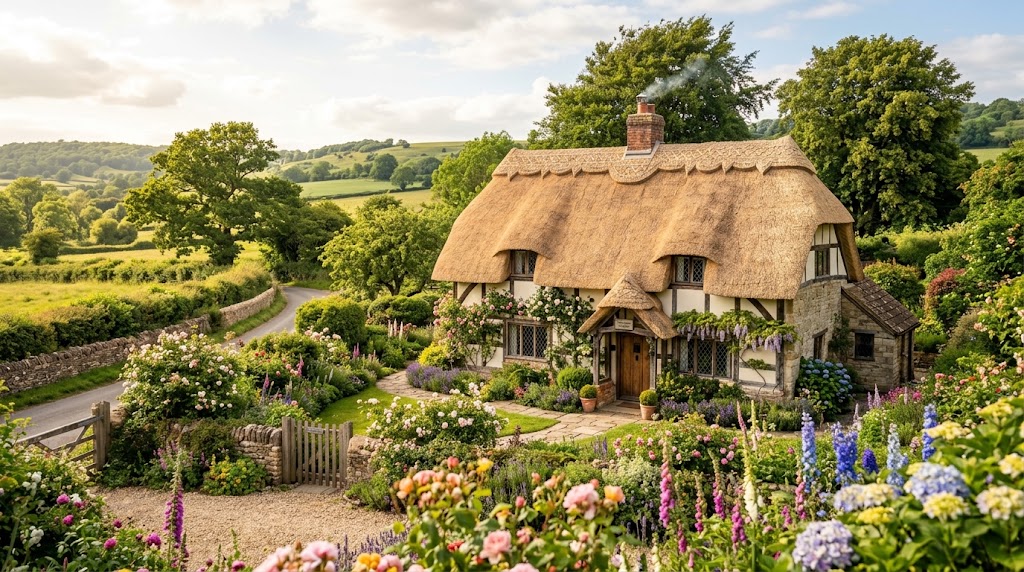
4. Historic and Traditional Methods: Properties built using wattle and daub, cob (a mixture of subsoil, water, and fibrous organic material like straw), or featuring thatched or shingle roofs.
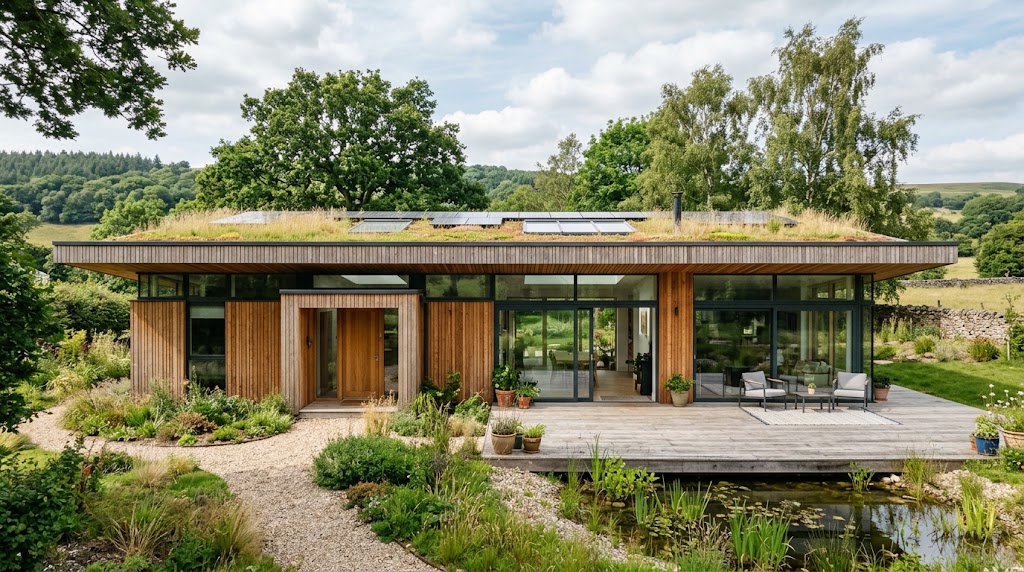
5. Modern and Eco-Friendly Designs: Prefabricated HUF HAUS designs, homes with extensive glass panelling, or properties constructed from unconventional sustainable materials.
6. Flat Roofs: Any home where a significant portion of the roof is flat, often constructed using asphalt, felt on timber, or modern membrane materials.
Furthermore, a property may be deemed non-standard if it is a listed building, a barn conversion, or if it was built prior to 1850, as construction techniques before the Victorian era varied wildly from region to region. Understanding the specific category your prospective home falls into is the first crucial step in the buying process.
One of the most critical factors to consider when buying a non-standard home is its structural integrity and anticipated lifespan. Standard brick-and-block houses are known for their predictable aging process, whereas non-standard materials degrade in entirely different ways.
Consider the case of post-war concrete houses. As these properties age, they become highly susceptible to structural degradation. A common issue is the corrosion of the steel binding rods hidden within the concrete panels. As the steel rusts, it expands, causing the surrounding concrete to crack and crumble—a phenomenon often referred to colloquially as "concrete cancer." Because this deterioration happens from the inside out, it is incredibly difficult for the untrained eye to spot. The susceptibility of these materials means their structural lifespan is inherently limited unless significant, and often costly, remedial works are undertaken.
Similarly, timber-framed properties require rigorous inspection. Older timber frames are vulnerable to damp, wet rot, dry rot, and wood-boring insects (woodworm). Even if a historic timber frame looks robust, hidden sections behind plaster or within the roof space could be compromised. Traditional cob houses, found frequently in the South West of England, rely entirely on breathable lime renders and regular maintenance to remain structurally sound; applying modern, non-breathable cement renders to a cob wall can trap moisture and cause the very walls to collapse.
Because of these hidden dangers, relying on a standard mortgage valuation or a basic Homebuyer Report is entirely insufficient when purchasing a non-standard property. You must invest in a full RICS (Royal Institution of Chartered Surveyors) Building Survey (Level 3), conducted by a surveyor who specifically specialises in the construction type of the property you are buying. They will be able to identify signs of historic movement, material degradation, and advise on the structural integrity and remaining lifespan of the building.
Securing a mortgage is often the most significant hurdle buyers face when purchasing a non-standard property. High street mortgage lenders operate strictly on risk assessment. They favour properties that are structurally predictable, easy to maintain, and, most importantly, easy to sell on the open market. Non-standard homes score poorly on all these metrics in the eyes of a mainstream bank.
Lenders view non-standard homes with a high degree of caution for two primary reasons: demand and maintenance. Demand for these homes is naturally restricted; a niche eco-home or a thatched cottage will not appeal to the mass market in the same way a standard three-bedroom semi-detached house will. Consequently, lenders worry that if you default on your mortgage and they are forced to repossess the property, it will be incredibly difficult for them to sell the house quickly to recoup their funds.
Secondly, the maintenance aspect plays heavily into their calculations. Lenders understand that non-standard homes require more "tender loving care" and financial investment to upkeep. Their concern is that a homeowner might neglect these bespoke maintenance requirements, leading to a rapid decrease in the property's value, which once again puts the lender's investment at risk.
For properties like post-war concrete (PRC) homes, the rules are even stricter. Following the Housing Defects Act of 1984, many specific types of PRC homes were designated as defective. To get a mortgage on one of these properties today, it must have been repaired to a highly specific, licensed standard, and the seller must provide a valid PRC Certificate. Without this certificate, most lenders will reject the application outright.
To successfully navigate this maze, buyers should be prepared to put down a larger deposit than usual (often a minimum of 20% to 25%) and accept that interest rates may be slightly higher. It is highly recommended to bypass standard high street banks and instead work with an independent mortgage broker who has access to specialist lenders. These brokers know which building societies and niche lenders have an appetite for specific types of non-standard properties, saving you the frustration of repeated rejections.
Just as mortgage lenders are wary of non-standard materials, so too are insurance providers. Taking out comprehensive buildings insurance is not just a sensible precaution; it is a mandatory requirement of almost every mortgage agreement. However, finding an insurer willing to cover a non-standard home can be an arduous task if you do not know where to look.
Mainstream insurers build their pricing models on vast quantities of actuarial data derived from standard brick and slate houses. When confronted with a timber-framed property, a cob house, or a flat-roofed dwelling, their automated underwriting systems cannot accurately assess the risk. Faced with unfamiliar variables, standard insurers will typically take one of two actions: they will either artificially inflate the premium to an exorbitant level to cover any conceivable risk, or they will simply refuse to quote altogether.
The risks associated with non-standard properties are undeniably different. For instance, a thatched roof presents a significantly higher fire risk than standard slate, and a fire in a thatched property spreads far more rapidly. Flat roofs, particularly older ones, are prone to water pooling, blistering, and ultimately leaking, making water damage claims much more likely. Furthermore, if a non-standard property is damaged, the cost to repair it is invariably higher. Rebuilding a cob wall, re-thatching a roof, or sourcing matching historic timber requires specialist tradespeople and bespoke materials, all of which drive up the cost of a claim.
To secure adequate protection, you must seek out specialist home insurance providers. These niche underwriters possess the specific knowledge required to accurately assess the risk of a non-standard build. They understand, for example, that while a thatched roof is a fire risk, a homeowner who has installed fireboards, heat sensors, and had the chimney swept regularly presents a much lower risk. Specialist insurers will take a manual, tailored approach to underwriting your policy, ensuring you are neither overcharged nor left with dangerous gaps in your coverage.
The financial commitment of a non-standard home extends far beyond the initial purchase price and the slightly elevated mortgage and insurance rates. Buyers must be acutely aware of the ongoing maintenance, repair, and daily running costs, which are almost universally higher than those of a standard property.
Routine maintenance on a non-standard home is rarely a simple DIY job. If you own a thatched cottage, the roof will need to be re-ridged every 10 to 15 years and completely re-thatched every 30 to 40 years. This is a highly skilled, labour-intensive process that can cost tens of thousands of pounds. Similarly, flat roofs have a shorter lifespan than pitched tiled roofs and require regular inspection and replacement every 15 to 25 years.
Finding the right tradespeople is another significant factor. You cannot simply hire a standard local builder to repoint a historic stone wall or repair a wattle and daub panel. You will need to source master craftspeople who understand traditional building techniques. Using the wrong materials—such as applying modern cement to historic, breathable walls—can cause catastrophic structural damage over time. These specialist tradespeople are in high demand and command premium rates.
Energy efficiency is another vital consideration. Older non-standard properties, particularly those built before the 20th century, were not designed with modern insulation standards in mind. Solid stone walls, single-skin brickwork, or historic timber frames offer poor thermal retention compared to modern cavity walls. While some upgrades can be made, listed building consent or the physical limitations of the structure often prevent the installation of standard double glazing or modern cavity wall insulation. Consequently, buyers should budget for significantly higher winter heating bills and explore alternative, sympathetic ways to improve the home's energy efficiency.
Finally, it is essential to look to the future and consider the resale value and market demand for the property. A non-standard home is inherently a niche product. When the time comes to sell, you will be marketing to a much smaller pool of potential buyers.
Many people are keenly aware of the difficulties associated with owning non-standard modern construction homes, particularly post-war concrete or steel builds. The known complications surrounding mortgages, insurance, and maintenance act as a strong deterrent for the average buyer. Improper maintenance by previous owners can lead to these properties losing their value rapidly, and this stigma can stick to the property even if you have maintained it perfectly.
While unique properties like barn conversions or historic timber-framed homes often attract passionate buyers looking for a "forever home," they still take longer to sell than a standard house. You may find that you need to list the property at a highly competitive price to attract interest, or you may be advised to sell the property at auction, where cash buyers and seasoned investors are more prevalent. It is a general rule of thumb in real estate that if a property is difficult to buy (due to mortgage and insurance hurdles), it will be equally difficult to sell.
Purchasing a non-standard construction home in the UK can be a deeply rewarding experience, offering the chance to live in a property that boasts unparalleled character, historical pedigree, or architectural innovation. However, it requires a buyer to be proactive, thoroughly informed, and financially prepared for the unique challenges that lie ahead.
From commissioning highly specialised RICS surveys and navigating a cautious mortgage landscape, to securing bespoke insurance policies and committing to rigorous, specialist maintenance, the journey is vastly different from buying a conventional brick-and-slate house. By understanding the specific construction materials of the property, acknowledging the increased costs, and accepting the nuances of market demand, you can mitigate the risks and fully embrace the unique lifestyle that a non-standard home provides. With the right preparation and expert advice, buying a non-standard property does not have to be a daunting prospect, but rather the first step toward acquiring a truly exceptional home.